

AI Behavioral
Simulation Platform
Simulate complex human interactions through AI-driven avatars and research-validated behavioral stimuli. Measure how people communicate, react and adapt in real conversations.
How the Platform Works
From Research to Readiness
LearningByDoingXR connects behavioral research with AI-driven simulation to reveal how people perform in complex interactions.
Research
Behavioral studies explore how people respond in real conversational situations.
Stimulus
Validated behavioral personas reproduce realistic interaction patterns.
Simulation
Participants interact with AI avatars in dynamic conversational scenarios.
Signals
The platform captures behavioral signals during each interaction.
Readiness
These signals reveal how people actually perform in real conversations.
AI Behavioral Avatars
Participants interact with AI avatars designed to reproduce human behavioral patterns.
Avatars dynamically respond to:
communication style
emotional tone
listening patterns
decision making
Each interaction evolves naturally as the conversation unfolds
Behavioral Stimuli
Simulations are powered by behavioral stimulus profiles developed inside the Research Lab.
Each stimulus represents a realistic interaction archetype.
Examples:
Dominant persona
Skeptical persona
Indecisive persona
Disengaged persona
Stimuli determine how avatars react during the interaction.
Simulation Environment
Web and immersive simulation
Participants can interact with avatars through:
Web conversational interface
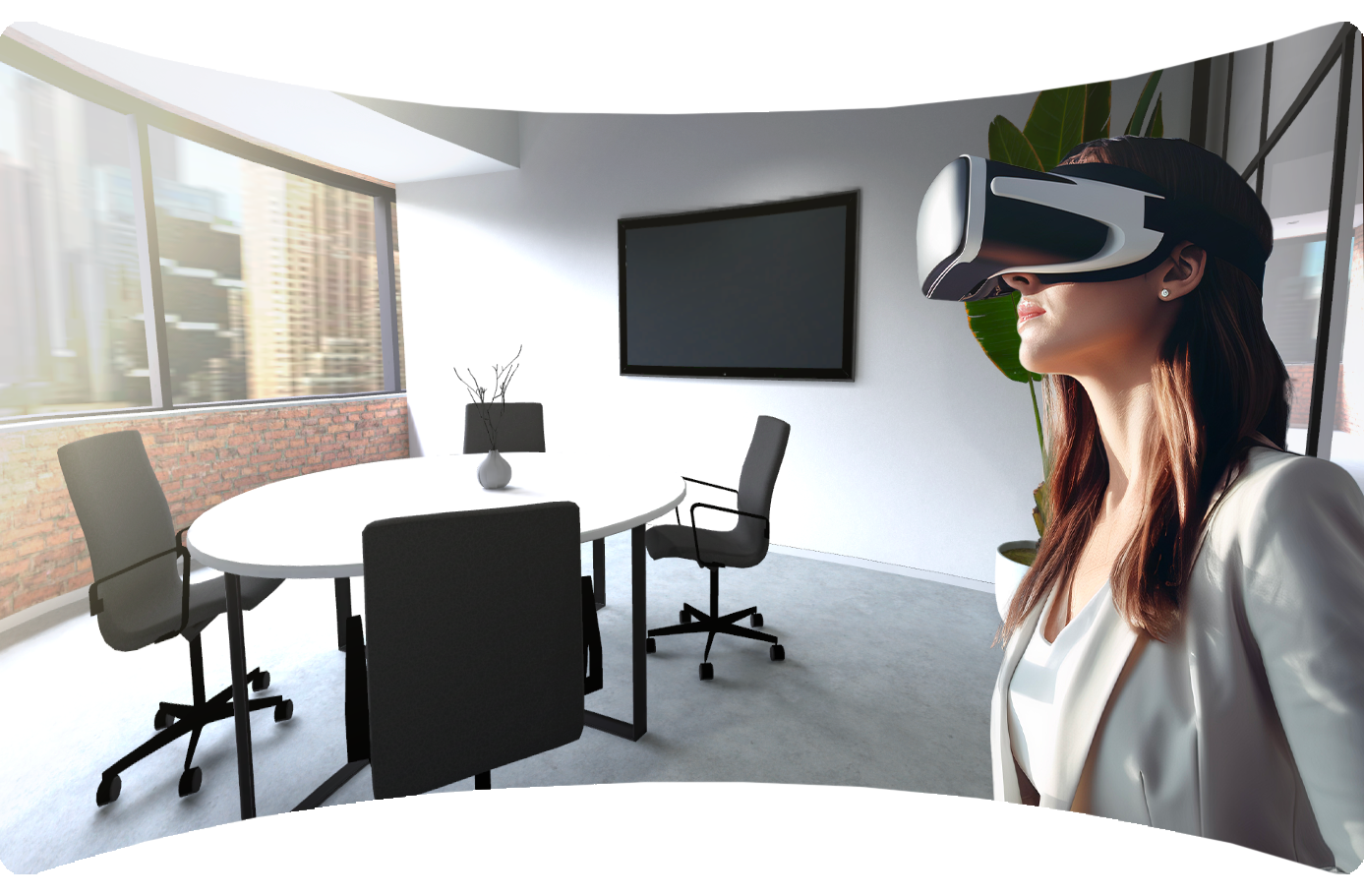
Immersive XR simulation environments
Both environments reproduce realistic interaction scenarios where communication style influences outcomes.
Behavioral Signals
Capture behavioral interaction signals
During each simulation the platform captures signals describing the interaction dynamics.
Signals may include:
response timing
speech rhythm
conversation balance
emotional indicators
These signals reveal patterns in communication and decision making.
Readiness Insights

Transform simulation into insight
Behavioral signals are analyzed to understand how participants perform in complex interactions.
Organizations can observe readiness across dimensions such as:
communication effectiveness
emotional regulation
listening behavior
negotiation patterns
Turning simulation experiences into measurable readiness insight.
Integration & Deployment
Leadership Development
Practice critical leadership conversations such as giving feedback, managing conflict and guiding teams through challenging decisions.
Sales Conversations
Train sales professionals to handle objections, negotiate value and adapt communication to different customer personalities.
Customer Interaction
Improve communication in demanding service situations where listening, empathy and problem solving are essential.
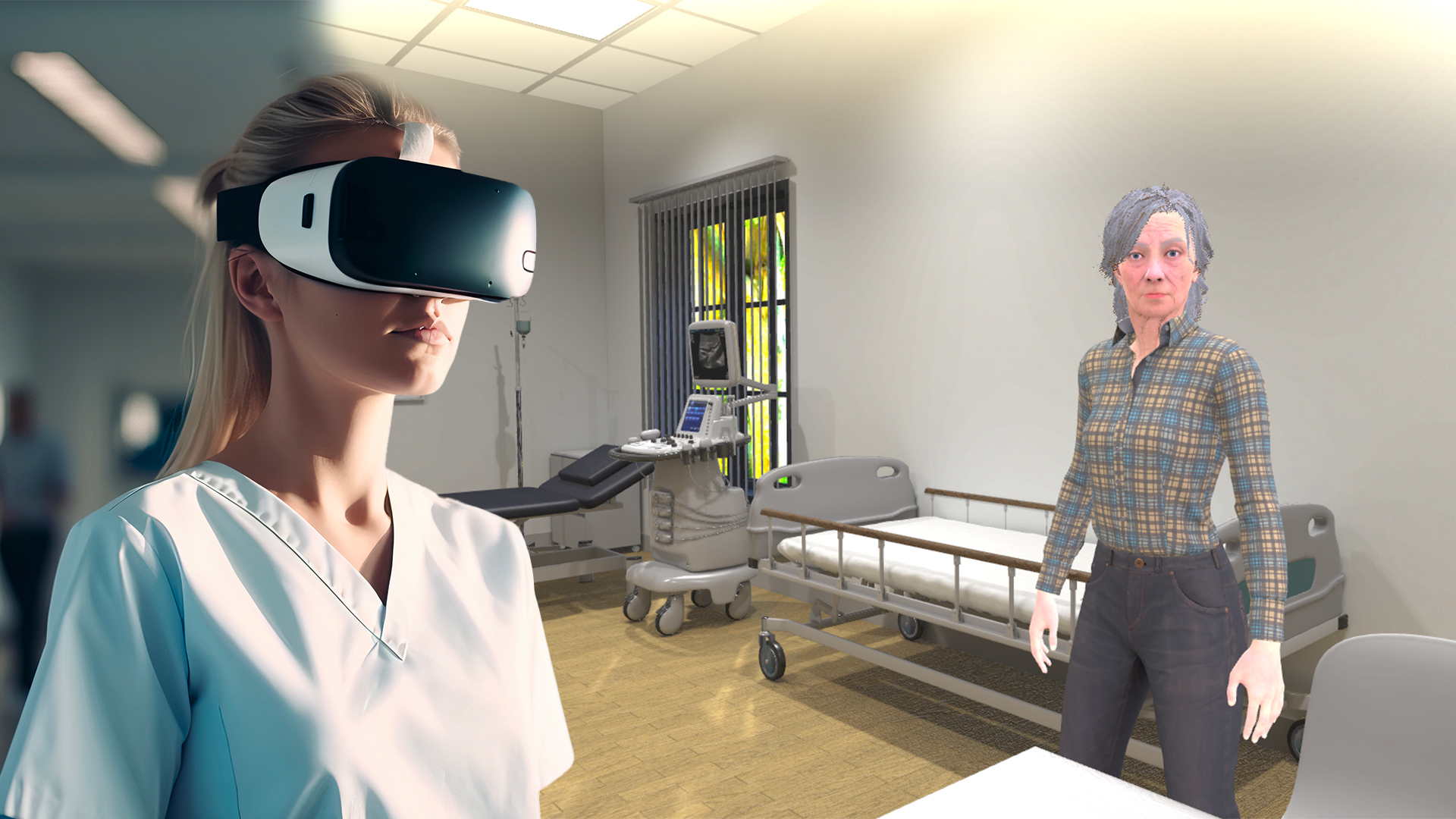
Healthcare Communication
Prepare healthcare professionals for sensitive patient interactions requiring clarity, empathy and emotional awareness.
Cross-Cultural Readiness
Develop the ability to communicate effectively with people from different cultural backgrounds and expectations.
Difficult Conversations
Practice navigating emotionally charged conversations where trust, tension and communication style shape the outcome.
